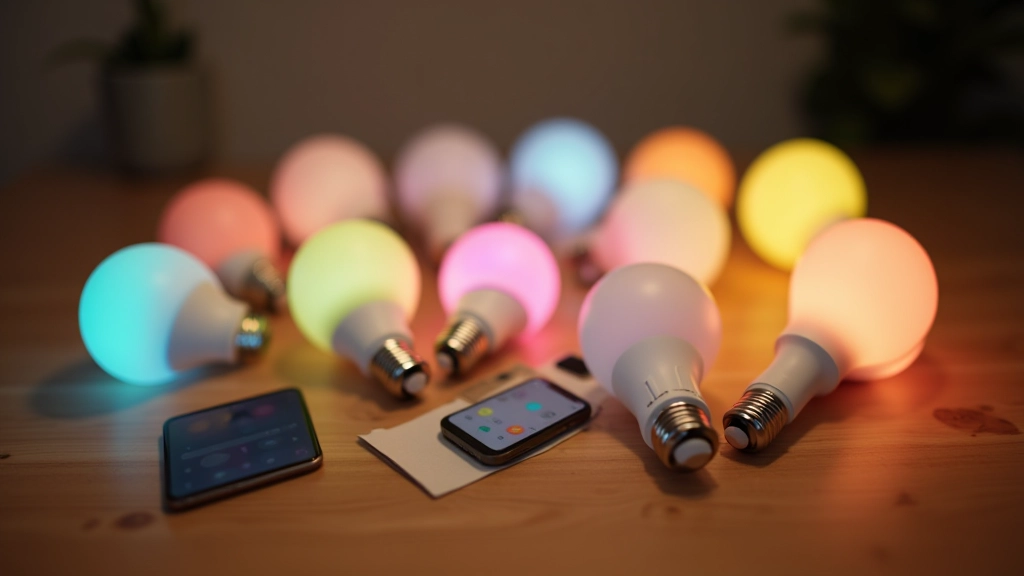
Smart Lighting Scenes That Match Your Day
Create automatic lighting that adjusts to your morning routine, evening wind-down, and bedtime. Your lights get brighter in the morning, warmer in the evening, and dim for sleep—all without touching a switch.

Why Smart Lighting Scenes Actually Work
Most people think smart lighting means "turning lights on and off from your phone." That's useful, sure. But the real power is automation. When you set up scenes—pre-programmed combinations of brightness and color temperature—your lights adapt throughout the day without you thinking about it.
Here's the thing: your body responds to light. Morning sunlight (cool, bright blue light) tells your brain to wake up and be alert. Evening light (warm, amber tones) signals your body to start winding down. Most of us live under the same flat, artificial lighting all day, which messes with our sleep patterns. Smart scenes fix that.
You'll notice the difference within a week. Your mornings feel sharper. You're more relaxed in the evening. You fall asleep faster. And you're not standing in a dark room squinting at your phone trying to remember if you left the kitchen light on.
Morning Scene: Wake Up Naturally
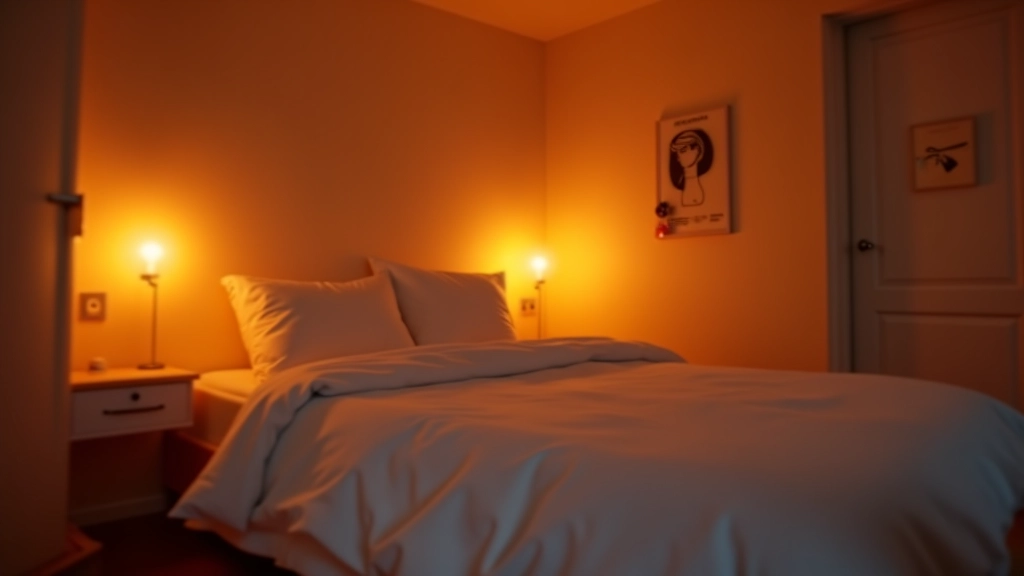
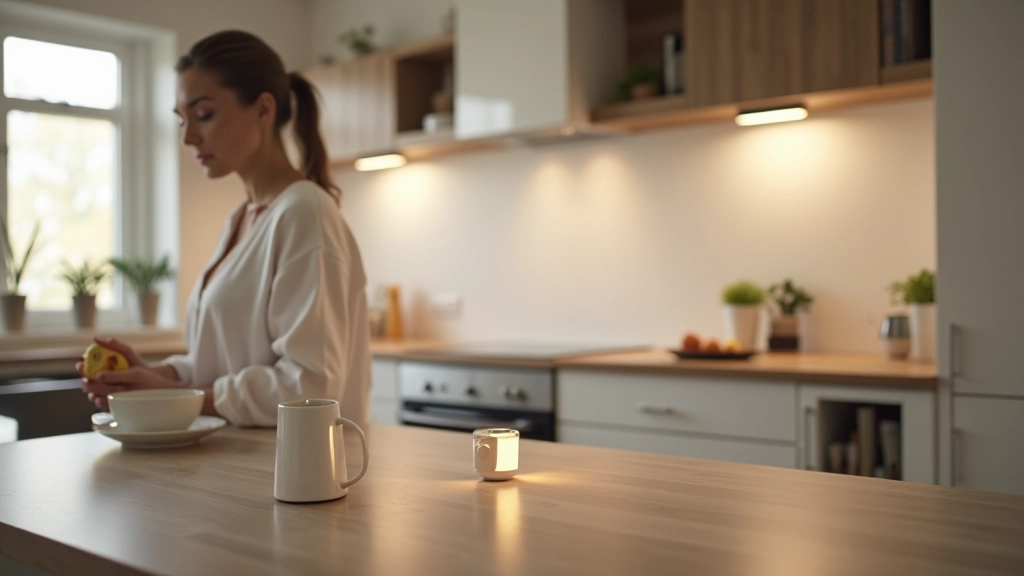
Your morning scene should be bright and cool-toned. We're talking 80-100% brightness with a color temperature around 5000-6500K (that cool white light). This is what daylight looks like, and it's what your brain expects when you wake up.
Set this to activate 30 minutes before you normally wake. Some systems can gradually brighten over 20-30 minutes, mimicking a sunrise. You don't wake up to sudden brightness—you gradually become aware that it's light. It's genuinely gentler than an alarm, and you'll actually feel more awake, not groggy.
Pro tip: If you've got multiple rooms, set the kitchen or bathroom to full brightness but keep bedrooms slightly lower (maybe 70%) so you can move through your morning without harsh light hitting you all at once.
Evening Scene: Wind Down Properly
Around 30 minutes before bed, your evening scene kicks in. Brightness drops to 30-50%, and color temperature shifts to warm amber—around 2700K or even lower. This is what candlelight looks like. Your body gets the signal: it's time to relax.
You can set this for a specific time (say, 9 PM), or have it adjust based on sunset. Either way, the idea is consistent: as evening arrives, your home gets progressively warmer and dimmer. You're not fighting against blue light that keeps your brain in "alert mode."
Most people find they're naturally tired 30-60 minutes after their evening scene activates. No medication needed. Just light that tells your body what time it actually is.
Bedtime Scene: Actually Sleep
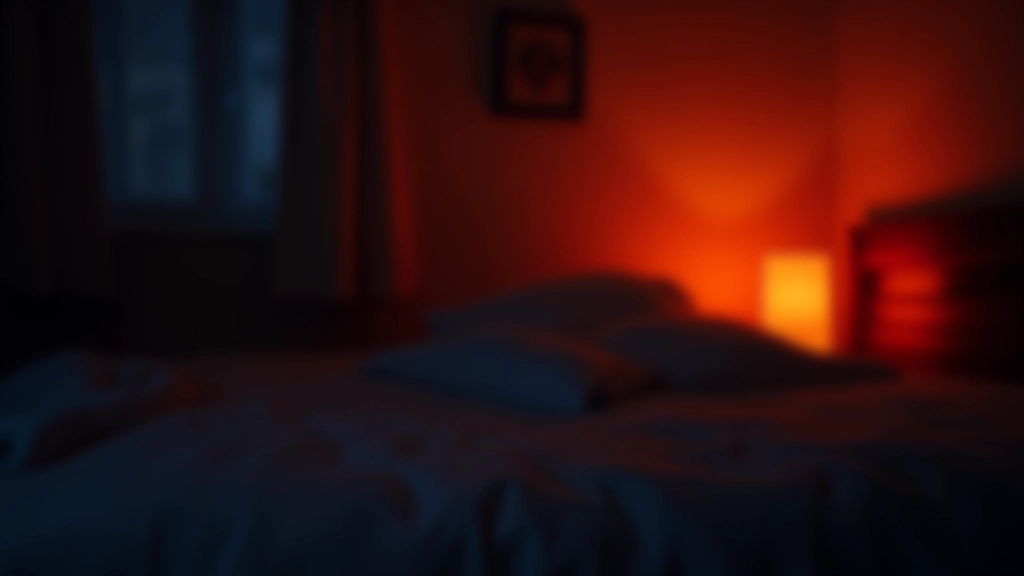
Your final scene is the bedtime scene. Brightness drops to almost nothing—maybe 1-5%—and the color temperature goes as warm as possible, often shifting toward red. This is what your bedroom should look like when you're actually trying to sleep.
Some smart bulbs can't go that warm, which is fine. Even 2700K at 5% brightness is enough to navigate your room without waking yourself up. The key is: you're not lying in bed with bright overhead lights. You've got just enough light to see, but not enough to suppress melatonin production.
You can activate this scene manually when you get into bed, or set it for a specific time. Either way, it's the final signal to your body: sleep mode is active.
Setting This Up Takes 20 Minutes
You don't need to be technical. Most smart bulbs work with apps like Apple Home, Google Home, or Amazon Alexa. Here's the actual process:
1
Get smart bulbs (or a smart plug)
Philips Hue, LIFX, or Nanoleaf are popular. Most cost €15-40 per bulb. You don't need fancy ones—basic models support brightness and color temperature adjustment, which is all you need for scenes.
2
Install them and add to your app
Screw in the bulbs, open the manufacturer's app, and follow the setup wizard. Usually takes 2-3 minutes per bulb. Name them by room (Kitchen, Bedroom, Living Room) so you remember which is which.
3
Create your morning scene
In the app, go to "Scenes" or "Automations." Create a new scene called "Morning." Set all lights to 100% brightness, 6500K color temperature. Set it to activate at 6:30 AM (or whenever you wake).
4
Create evening and bedtime scenes
Repeat the process. Evening scene: 40% brightness, 2700K, activate at 8:30 PM. Bedtime scene: 5% brightness, warmest available, activate at 11 PM (or whenever you get into bed).
5
Test and adjust
Live with the scenes for a few days. Too bright? Lower the percentage. Too warm in the morning? Adjust the color temperature up. You'll fine-tune this based on what actually works in your space.
Real Things People Notice
Sleep Actually Improves
You're not fighting your body's natural rhythms anymore. Most people fall asleep 15-30 minutes faster once scenes are dialed in. No medication, no apps—just light that matches your body's expectations.
Mornings Feel Different
You genuinely feel more alert when you wake up to bright, cool light. It's not placebo—it's your brain responding to the same light signals it's evolved to recognize for thousands of years.
You Stop Forgetting Lights
Scenes are automatic. You don't have to remember to dim lights for bedtime or brighten them in the morning. It just happens. Less mental load, more automation.
Works With Existing Bulbs
You don't need to replace every bulb in your house. Start with bedrooms and main living spaces. As bulbs burn out, replace them with smart ones. Gradual upgrade is fine.
Smart Lighting Scenes Are Your Easiest Upgrade
You don't need a whole smart home to benefit from this. You don't need to understand WiFi or app development. You just need three simple scenes: bright and cool for morning, warm and medium for evening, and warm and dim for bedtime.
Twenty minutes of setup. €50-150 in bulbs. And then your lighting adapts to your day automatically. It's one of the few smart home features that genuinely affects how you feel, how you sleep, and how you start your morning. That's worth the investment.
Start with your bedroom. That's where it matters most. Once you've lived with proper bedtime and morning lighting for a month, you won't go back to flat, unchanging bulbs.
Information Disclaimer
This article provides educational information about smart lighting setup and general principles of light and circadian rhythm. It is not medical advice. Individual results vary—some people respond quickly to lighting changes, others take longer. If you have diagnosed sleep disorders or light sensitivity conditions, consult with a healthcare professional before making changes to your lighting environment. Product recommendations are based on general availability and user feedback, not endorsement. Prices and availability vary by region and retailer.
Related Articles